 By
By 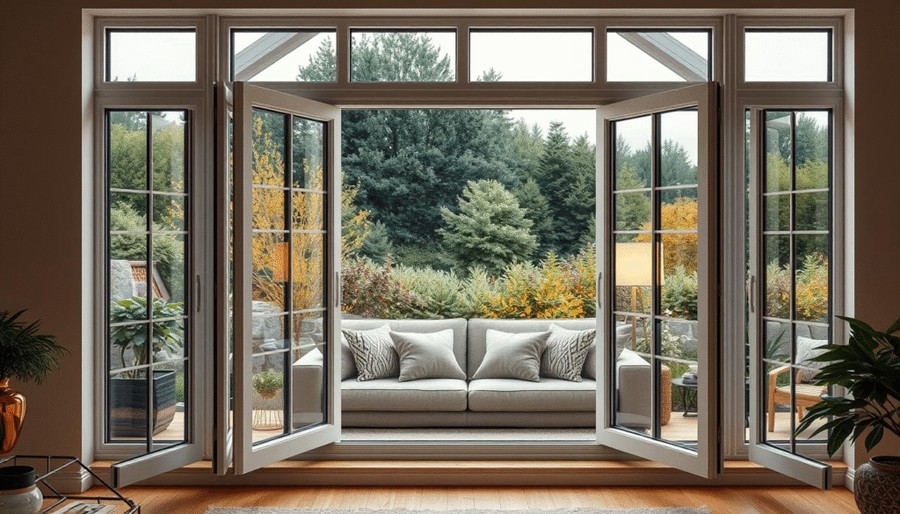
Fenster are more than just openings in your walls—they’re essential elements that influence your home’s comfort, energy efficiency, aesthetics, and even resale value. Whether you’re building a new house, renovating an old one, or simply replacing outdated fixtures, understanding home windows can help you make informed decisions. In this comprehensive guide, we’ll explore everything from the various types of windows available to their pros and cons, the advantages of energy-efficient options, selection tips, installation steps, maintenance advice, and current replacement costs. If you’re searching for “new windows for house” or “window replacement services,” this article is tailored to provide practical insights to enhance your living space.
Popular Types of Home Windows and Their Pros and Cons
Choosing the right type of window (fenster) starts with knowing your options. Home windows come in a variety of styles, each suited to different architectural designs, climates, and functional needs. Here are some of the most common types, along with their advantages and drawbacks.
Double-hung windows are a classic choice, featuring two sashes that slide vertically. They’re versatile and easy to clean since both sashes tilt inward. Pros include excellent ventilation and compatibility with most home styles, but cons involve potential air leakage over time if not maintained properly. Single-hung windows are similar but only the bottom sash moves, making them more affordable yet harder to clean from the outside.
Casement windows hinge on one side and crank open outward, offering unobstructed views and superior airflow. Their pros include energy efficiency due to a tight seal when closed, but they can be vulnerable to strong winds and may require more space to operate. Sliding windows, which glide horizontally, are ideal for modern homes and provide easy operation. However, they might collect dirt in the tracks, leading to maintenance issues.
Awning fenster hinge at the top and open outward, providing ventilation even during light rain. They’re great for privacy in bathrooms but can be tricky to clean externally. Bay and bow windows protrude outward, creating extra interior space and letting in more light. These add architectural interest but are pricier and may require structural support.
Other options like picture windows (fixed panes for maximum views) and hopper windows (tilting inward from the top) cater to specific needs. Frame materials also play a role: vinyl is low-maintenance and affordable, wood offers natural beauty but needs upkeep, fiberglass is durable for extreme weather, and aluminum is strong but less insulating. Weighing these pros and cons ensures your windows align situs terbaik musangbos with your lifestyle and home’s requirements.
The Benefits of Energy-Efficient Windows
In an era of rising energy costs and environmental awareness, energy-efficient windows are a smart upgrade. These windows typically feature multiple panes, low-emissivity (Low-E) coatings, and gas fills like argon to minimize heat transfer.
One major benefit is reduced energy bills—replacing single-pane windows with ENERGY STAR-certified models can save $125 to $465 annually, depending on your home’s size and location. They keep your home cooler in summer and warmer in winter, improving overall comfort by reducing drafts and hot spots.
Beyond savings, energy-efficient windows protect your interiors from UV rays, preventing fading of furniture, carpets, and artwork. They also minimize condensation, which can lead to mold growth, and contribute to a quieter home by blocking external noise. Environmentally, they lower your carbon footprint by decreasing reliance on heating and cooling systems.
Long-term, these windows boost your property’s value, as buyers prioritize energy-saving features. If you’re considering “energy efficient window installation,” the return on investment often justifies the initial cost, especially with potential tax credits or rebates.
How to Choose the Right Windows for Your Home
Selecting windows involves balancing aesthetics, functionality, budget, and energy needs. Start by assessing your home’s architecture—traditional homes suit double-hung styles, while contemporary ones might prefer casement or sliding options.
Consider climate: In colder areas, opt for triple-pane windows with high insulation; in sunny regions, prioritize UV protection. Energy ratings like U-factor (heat loss) and Solar Heat Gain Coefficient (SHGC) are key—look for low numbers for better performance. Always check for ENERGY STAR labels to ensure efficiency.
Functionality matters too. Think about accessibility—will you need easy-to-open windows in high-traffic areas? For safety, consider egress windows in bedrooms. Budget-wise, compare materials: Vinyl is cost-effective, while wood-clad options offer premium looks.
Get quotes from reputable installers and read reviews. Custom sizes might be needed for older homes, so measure accurately. Finally, factor in warranties—good ones cover glass, frames, and installation for 10-20 years. By prioritizing these elements, you’ll find windows that enhance your home’s value and comfort.
Step-by-Step Window Installation Process
Installing windows can be a DIY project for handy homeowners, but professional help ensures proper sealing and warranty compliance. Here’s a general step-by-step guide for replacement windows.
First, measure the opening accurately—width, height, and depth—to order the right size. Remove the old window by prying off interior trim, cutting sash cords or nails, and extracting the frame carefully to avoid damaging walls.
Prep the opening: Clean debris, check for level and plumb, and apply flashing tape to prevent water intrusion. Install a sill pan for drainage. Dry-fit the new window to ensure it fits, then apply caulk to the interior flange.
Insert the window, shimming as needed for level. Secure with screws through the jambs, avoiding over-tightening. Insulate gaps with low-expansion foam, then reinstall or add new trim. Finally, caulk exterior seams and test operation.
For new construction, the process involves framing the rough opening first. Always wear safety gear and follow local codes—permits may be required. If unsure, hire a pro to avoid costly mistakes.
Essential Maintenance Tips for Your Windows
Regular maintenance keeps windows functional and extends their lifespan, potentially up to 20-30 years. Start with biannual cleaning: Use a vinegar-water solution for glass, wiping with a microfiber cloth to avoid streaks. Clean tracks and frames with mild soap, lubricating moving parts with silicone spray.
Inspect for damage: Check caulking for cracks, seals for wear, and hardware for looseness. Repair promptly to prevent drafts or water leaks. For wood windows, repaint or stain every few years to protect against moisture.
Screen maintenance is crucial—remove and hose them down annually. In humid areas, watch for condensation and use dehumidifiers if needed. Avoid harsh chemicals that could damage finishes. These simple habits ensure your windows stay efficient and attractive.
Understanding Window Replacement Costs in 2025
Budgeting for window replacement is vital, as costs vary by type, material, and location. In 2025, expect to pay $300 to $2,500 per window, including installation, with an average of $544 to $1,309.
Factors influencing price include material—vinyl starts at $300, fiberglass at $800—and size or custom features. Labor adds $100-$300 per window, and permits cost $50-$100. For a whole-home project (10-15 windows), totals range from $7,000 to $18,000.
Energy-efficient upgrades may qualify for rebates, offsetting costs. ROI is strong, often recouping 70% through energy savings and increased home value. Shop around for quotes to find the best deal without sacrificing quality.
Conclusion
Investing in the right home windows transforms your living environment, boosts efficiency, and adds curb appeal. From exploring types and benefits to mastering installation and maintenance, this guide equips you with the knowledge to tackle your next project confidently. Whether opting for double-hung classics or modern energy-savers, prioritize quality and professional advice. Ready to upgrade? Start by assessing your needs and getting quotes today—your home (and wallet) will thank you.