 By
By 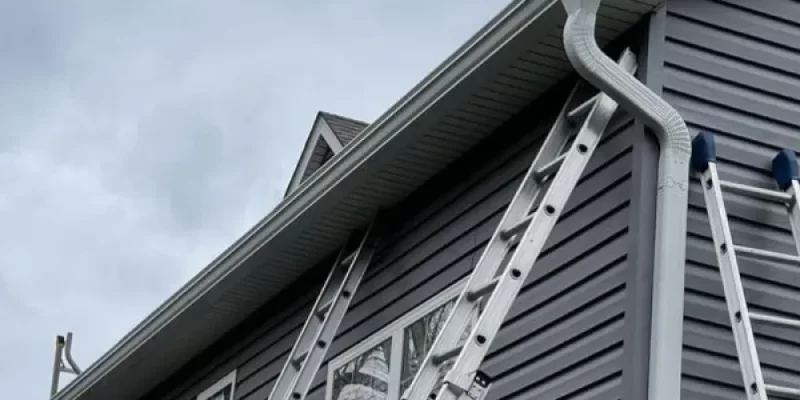
When homeowners invest in exterior improvements, durability is often just as important as appearance. A dependable drainage system plays a major role in protecting siding, foundations, landscaping, and roofing components. Understanding how long modern continuous systems last—and what factors influence their performance—can help you plan wisely and maximize your return on investment.
Average Lifespan of Modern Gutter Systems
Most professionally fabricated continuous systems last between 20 and 30 years, depending on material quality, installation standards, climate exposure, and maintenance habits. Because they are formed in a single run rather than assembled from multiple sections, there are fewer joints that can loosen, leak, or corrode over time.
Homeowners may encounter the phrase rain gutters seamless when researching options online. While the wording varies, the concept refers to a continuous structure designed to minimize weak points and improve long-term reliability.
Material Choice and Its Impact on Longevity
The type of metal used plays a major role in how long a system lasts.
Aluminum
Lightweight, rust-resistant, and affordable, aluminum is the most common choice for residential homes. With proper care, aluminum systems often last 20 years or more.
Steel
Galvanized or stainless steel offers increased strength and resistance to impact damage. While heavier and more expensive, steel can provide exceptional durability when properly coated and maintained.
Copper
Copper systems are known for their striking appearance and long lifespan, often exceeding 40 years. They require higher upfront investment but deliver outstanding longevity and minimal corrosion risk.
Choosing the right material depends on budget, aesthetic preferences, and regional weather conditions.
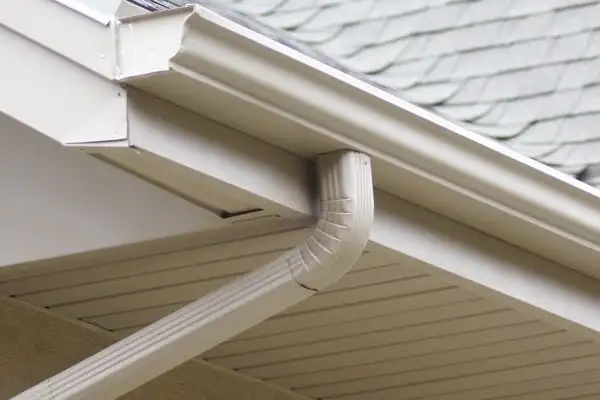
Installation Quality Makes a Major Difference
Even the best materials cannot compensate for poor workmanship. Improper slope, weak fastening, or incorrect spacing can lead to sagging, overflow, and premature wear. That’s why it’s critical to work with experienced professionals when you install rain gutters.
Accurate measurements ensure proper water flow, while secure mounting prevents movement during heavy rainfall or snow accumulation. Correct placement of downspouts also directs water away from foundations and landscaping, reducing long-term damage risks.
Climate and Environmental Factors
Local weather significantly influences lifespan. Homes in regions with heavy rainfall, snow loads, or frequent temperature swings place greater stress on drainage systems. Freeze-thaw cycles can cause expansion and contraction that gradually weakens fasteners and brackets.
Nearby trees can increase debris buildup, leading to clogs that add weight and restrict water flow. Coastal environments may introduce salt exposure, which accelerates corrosion if materials are not properly protected.
Understanding your environment allows you to choose materials and maintenance strategies that support longevity.
Maintenance Habits and Ongoing Care
Routine care dramatically extends service life. Cleaning debris at least twice per year helps prevent overflow and standing water, which can contribute to corrosion and structural strain. Inspecting fasteners and downspouts ensures alignment remains intact.
Periodic professional inspections can identify small issues—such as loose hangers or minor dents—before they become costly repairs. Adding protective accessories can reduce debris accumulation and simplify maintenance in high-foliage areas.
Signs That Replacement May Be Needed
Even well-maintained systems eventually reach the end of their usable life. Common indicators include:
- Persistent leaks despite repairs
- Sagging or separation from the fascia
- Visible corrosion or cracking
- Frequent clogs and overflow
- Water pooling near the foundation
When multiple issues appear simultaneously, replacement often becomes more cost-effective than repeated repairs.
Cost vs. Longevity: Finding the Right Balance
While continuous systems may have a higher upfront cost than sectional alternatives, their longer lifespan and reduced maintenance often result in lower total ownership costs. Investing in quality materials and professional installation minimizes repair expenses and protects your home from water-related damage.
Homeowners who view exterior upgrades as long-term investments typically prioritize durability and reliability rather than short-term savings.
Frequently Asked Questions
How long do aluminum systems usually last?
With proper care, aluminum options commonly last 20–30 years.
Does roof size affect longevity?
Larger roof areas increase water volume, which can place greater demand on the system but does not necessarily shorten lifespan if properly sized.
Can dents shorten performance life?
Minor dents are usually cosmetic, but severe damage can disrupt water flow and strain mounting hardware.
Is professional installation worth the cost?
Yes. Proper slope, fastening, and alignment significantly influence long-term performance and durability.
Understanding how materials, installation quality, climate exposure, and maintenance habits interact allows homeowners to make informed decisions when upgrading or replacing rain gutters. With thoughtful planning and routine care, a well-designed system can protect your home reliably for decades