 By
By 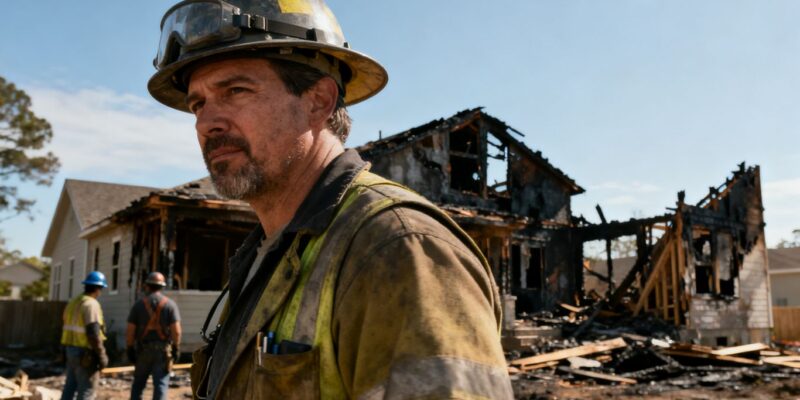
Returning to a home after a wildfire involves extreme caution, as the site remains inherently dangerous well after the flames have been extinguished. Every property must be evaluated for hidden instability and residual heat that could threaten occupants. The US Forest Service often plays a defining role in regional emergency response, providing critical oversight for post-fire stabilization to prevent further degradation of both public and private land.
Securing the property from hazards
Prior to physical inspection, entry should only occur when emergency officials confirm the structural environment is stable. Walk the perimeter cautiously to look for leaning chimneys, sagging roofs, or unstable trees that may fall without warning. Do not enter if the structure shows visible signs of collapse or if you smell gas leaks.
Identifying structural integrity issues
Professional engineers must evaluate load-bearing walls and flooring that might have suffered severe thermal damage. While initial observations provide an overview, deep damage requires technical expertise to prevent secondary collapses during cleaning procedures.
Coordinating with local authorities and insurance agencies
Contacting insurance carriers immediately is vital for initiating claims documentation while evidence is still fresh. Local authorities can provide information regarding mandatory debris cleanup programs that might cover specific costs for homeowners.
Determining if the residence is habitable
Evaluating habitability hinges on electricity, water, and gas services being fully operational and certified safe. If critical infrastructure is severely compromised, the residence should remain vacant until comprehensive repairs satisfy standard safety requirements.
Personal protection and hazard prevention
Engaging in cleanup activities brings exposure to hazardous materials including heavy metals and fine ash particles. Wearing the right protective equipment serves as the first line of defense before touching any surface. Prioritizing health ensures that the process of recovery does not lead to long-term medical complications for the homeowner or volunteers.
Selecting appropriate respiratory protection
Standard dust masks are insufficient against the toxic fine particles created by burning synthetic materials and household chemicals. Occupational-grade respirators equipped with P100 or N95 filters are mandatory to prevent breathing in harmful soot and microscopic debris.
Utilizing suitable protective clothing and gloves
Skin contact with ash can result in severe irritation or chemical burns if pollutants are present. Heavy-duty gloves, long sleeves, and full-length trousers protect against sharp, fire-damaged debris and harmful substances often found in residential ruins.
Managing exposure to toxic ash and debris
Ash often hides volatile chemicals that become airborne easily when disturbed. Dampening materials before moving them keeps toxic dust suppressed and significantly minimizes air quality risks during the sorting process.
Safeguarding vulnerable individuals during cleanup
Children, elderly residents, and people with existing respiratory conditions should avoid entering the affected property. Ensure they remain in a clean environment while the cleanup progresses to avoid accidental secondary exposure to tracking-in ash.
Managing debris and hazardous waste disposal
Large-scale debris management requires systematic sorting to prevent cross-contamination and to comply with environmental laws. Disposing of burnt items improperly can lead to toxic runoff or legal penalties during site rehabilitation.
Separating household hazardous waste
Items such as batteries, cleaning supplies, and aerosols must be treated separately from general construction debris. These materials frequently break down under heat, releasing corrosive liquids into the ground layer.
Navigating local disposal regulations for fire waste
Homeowners should research municipal policies concerning the transport of charred waste to prevent illegal dumping. Specific permits may be required for debris loads exceeding standard household limits during the restoration phase.
Managing ash piles to prevent dust dispersion
Ash should be bagged and sealed securely rather than swept loose to control particle spread. Many municipalities mandate specific containers or methods for ash storage to ensure health and safety workers can manage the material appropriately.
Coordinating with municipal waste management professionals
Engaging with regional experts allows for safe pickups that avoid environmental spoilage. These professionals utilize specialized handling equipment and trucks to prevent local soil contamination during the disposal process.
Clearing smoke, soot, and chemical residues
Smoke damage often extends far beyond the reach of visible fire, affecting everything from structural studs to internal furnishings. Clearing these residues requires deep cleaning to remove both the physical grime and the pervasive smell of combustion.
Cleaning non-porous surfaces with specialized agents
Non-porous surfaces, such as polished stone or sealed tile, require mild surfactant cleaners to lift soot safely. When engaging in SERVPRO standard remediation, professionals ensure that surfaces are effectively scrubbed and deodorized to return them to a pre-fire state.
Handling porous items like textiles and upholstery
Fabrics and furniture often trap pollutants within their fibers, necessitating professional dry cleaning or full replacement depending on the saturation level. If odors linger after initial treatment, professional restoration is the safest course of action.
Removing fine soot particles from ventilation systems
Soot particles frequently integrate into home heating, ventilation, and air conditioning systems. Duct cleaning and professional air scrubbers may be necessary to ensure the interior environment remains free of lingering particulates.
Eliminating persistent smoke odors from interior spaces
Homeowners can take these specific steps to manage lingering smell effectively:
- Open as many windows and doors as possible to maintain cross-ventilation.
- Place baking soda or specialized absorbents in affected rooms overnight.
- Wash all surfaces with vinegar-based solutions to neutralize acidic smoke films.
- Change HVAC filters regularly until air flow testing yields consistent, fresh results.
Following these steps significantly aids the initial odor reduction, though permanent neutralisation may require professional intervention.
Mitigating water damage from firefighting efforts
Firefighting water can be just as damaging as heat if left to settle in wall cavities or insulation. Proper water extraction must occur immediately to prevent the development of long-term structural issues and microbial growth.
Assessing saturation levels in structural materials
Identifying wet zones requires high-accuracy moisture meters to determine deep saturation in wooden floor joists and subflooring. Failure to detect pockets of moisture will result in warping and rotting that becomes evident months later.
Preventing secondary mold growth and microbial contamination
Microbial colonies thrive in damp, warm environments created after fire events. Swiftly removing standing water and dehumidifying the space is essential to interrupt the growth cycle of harmful molds and bacteria.
Employing industrial-grade dehumidification equipment
Standard home dehumidifiers often lack the capacity needed to pull moisture from thick wallboard and structural framing. Industrial units maintain constant drying pressure to safely stabilize moisture content in the building’s infrastructure.
Drying out wet insulation and wall cavities
Wet insulation effectively acts like a sponge, necessitating its removal to ensure wall cavities dry fully. Leaving wet materials in place ensures that mold will eventually develop in the inaccessible gaps behind dry-wall.
Restoring indoor air quality
Restoring air quality is the final hurdle in making a home safe again before re-entry. Fine particles continue to circulate long after cleaning, requiring advanced filtration strategies to capture volatile organic compounds.
Implementing high-efficiency particulate air (HEPA) filtration
HEPA filtration equipment provides the highest level of capture for microscopic soot and smoke-derived proteins. Utilizing these units continuously throughout the cleanup phase reduces the overall burden of toxins in the air.
Cleaning and replacing HVAC components
If soot has heavily contaminated the HVAC system, replacement of internal registers and duct lining might be necessary. Cleaned vents ensure that the air being pushed through the home remains filtered and free of re-released soot.
Evaluating the need for ozone or hydroxyl treatments
These advanced chemical treatments work to break down smoke molecules at the atomic level, effectively erasing embedded smells. Professionals evaluate if these treatments are safe to apply based on safety protocols and the composition of the home’s remaining materials.
Ensuring proper ventilation during the restoration phase
Constant air exchange is vital while using chemical cleaners or ozone treatments to prevent the build-up of toxic fumes. Proper ventilation facilitates the removal of contaminants being lifted from surfaces during the restoration phase.
Professional remediation versus do-it-yourself strategies
Deciding between personal cleanup and professional help depends on the extent of the impact and individual capability. When facing significant destruction, 1-800 WATER DAMAGE can provide specialized restoration services to help recover a home safely.
Assessing the scale and severity of property damage
Small-scale smoke damage might not require heavy intervention, but fire-ravaged structural damage is inherently hazardous. Assessing whether the home has sustained structural failure beyond simple aesthetic damage determines the necessity of professional help.
Risks associated with unauthorized cleanup efforts
Attempting to clear large volumes of hazardous debris without professional training risks exposure to toxic ash. Furthermore, improper disposal can lead to unintentional pollution of the neighborhood environment, potentially violating local health ordinances.
Leveraging expert knowledge for insurance claims
Professional restoration firms often provide detailed documentation of damage which streamlines the insurance claims process significantly. Their expertise ensures that all aspects of the restoration work align with building codes and insurance expectations.
Hiring certified wildfire restoration specialists
Certified specialists bring the exact tools and experience needed to verify that a dwelling is completely clean and safe for long-term inhabitation. Hiring professional assistance provides a definitive verification of success for the overall wildfire cleanup and restoration of the home.