 By
By 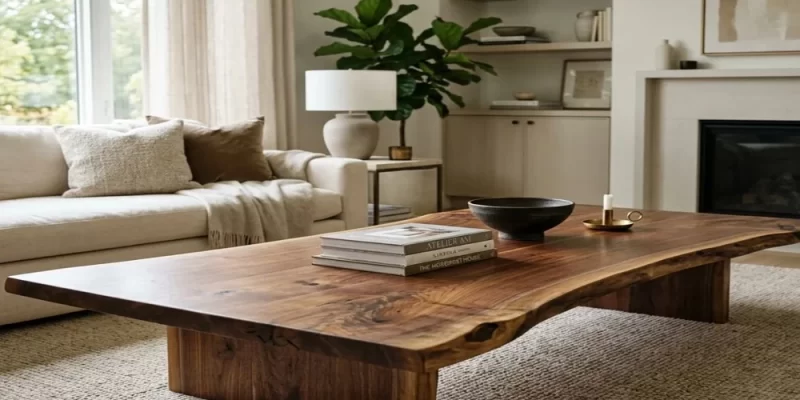
Wood furniture can last for years when the material, construction, and finish are suited to the way a piece will be used. But not all wood looks or performs the same way.
Walnut, oak, maple, cherry, and other hardwoods each have different characteristics. Some are known for rich color, others for durability or distinctive grain. Choosing the right species is less about finding one universal “best” wood and more about finding the material that fits your furniture, lifestyle, and interior.
Here are several popular hardwood choices and what makes each one useful for home furniture.
Walnut
Walnut is one of the most recognizable choices for high-end wood furniture.
Its naturally dark brown color gives furniture a sophisticated appearance, while its grain tends to be visually rich without being overwhelming.
Walnut works especially well in contemporary, mid-century, traditional, and modern interiors.
Because of its darker color, walnut furniture can become a strong visual anchor in a room. Pairing it with lighter upholstery, neutral walls, or a pale rug can help prevent the space from feeling too heavy.
Walnut is often chosen when appearance is a major priority.
Oak
Oak is popular for a reason. It offers a combination of durability, recognizable grain, and versatility.
White oak in particular has become widely used in contemporary interiors because of its lighter, relatively neutral appearance. It can make furniture feel clean and approachable while still retaining natural texture.
Oak can work in farmhouse, Scandinavian, modern, traditional, and transitional interiors.
Its relatively adaptable appearance makes it useful when you want furniture that can remain relevant even if you change your decorating style later.
Maple
Maple is known for its light color and relatively subtle grain.
It can create a clean and bright appearance, making it a useful choice for interiors where you want furniture to feel visually light.
Maple can work particularly well in contemporary and minimalist spaces. Its lighter appearance also makes it easier to combine with darker furniture without making the room feel overly dense.
If you prefer a more understated wood character rather than dramatic grain variation, maple may be worth considering.
Cherry
Cherry is valued for its warm reddish-brown appearance and the way its color can deepen over time.
This aging process gives cherry furniture a distinctive quality. Rather than remaining exactly the same after years of use, the wood can develop a richer appearance.
Cherry often works well in traditional and transitional interiors, although its warm color can also provide an interesting contrast in more contemporary rooms.
If you appreciate furniture that changes subtly with age, cherry offers a particularly appealing characteristic.
Hickory
Hickory is known for its pronounced grain and natural variation.
It can create furniture with a strong rustic or country-inspired character. The contrast between lighter and darker areas of the wood can become a visual feature rather than something to hide.
Because the grain is so noticeable, hickory is best used where you want the furniture itself to attract attention.
It can work particularly well in cabins, rustic homes, farmhouse interiors, and rooms built around natural materials.
Consider the Furniture’s Purpose
Wood species should be selected according to how the furniture will be used.
A dining table needs to handle regular meals, spills, and everyday activity. A coffee table may experience books, drinks, decorative objects, and occasional impacts.
A decorative console table may have very different requirements.
Think about durability, maintenance, appearance, and the environment where the piece will live.
A beautiful wood species is not necessarily the best choice if its characteristics do not fit the intended use.
Think About Grain and Character
The visual personality of wood can vary significantly.
Some people prefer consistent grain and relatively uniform color. Others specifically look for knots, variations, mineral streaks, and unusual patterns.
For the second group, furniture made from individual slabs can offer a much more distinctive appearance. A live edge coffee table, for example, can preserve the natural contour of a slab instead of cutting the edges into a perfectly uniform rectangle.
This makes the material itself an important part of the design.
Solid Wood vs. Engineered Materials
Another important consideration is whether you want solid wood or an engineered wood product.
Engineered materials can be useful for certain furniture applications because they offer consistency and can be more economical.
Solid hardwood, however, provides natural grain variation and a tactile quality that many homeowners specifically look for.
The right option depends on your budget, intended use, design preferences, and expectations for longevity.
Match the Wood to Your Interior
Think about the other materials already present in the room.
Dark wood can add contrast to a light interior. Light oak or maple can make a darker room feel more open. Warm reddish woods can reinforce earthy color palettes.
You also need to consider flooring.
A wood table does not have to match the floor exactly. In fact, too much matching can make a room feel flat. Slight differences in tone and grain can create depth.
Look Beyond the Species
Wood species is important, but it is not the only factor that determines furniture quality.
Construction, joinery, slab selection, drying, finishing, and craftsmanship can all affect the final piece.
Two tables made from the same species can look and perform very differently depending on how they were built.
For handcrafted furniture, the individual slab can also have a major influence on the final appearance.
Choose Character Over Trends
Furniture is a long-term purchase, so choosing a wood simply because it is currently fashionable may not be the best approach.
Instead, consider which colors, grain patterns, and materials you genuinely enjoy living with.
Natural wood has an advantage here because it tends to age more gracefully than many highly trend-driven finishes.
Tailor Wood Haven focuses on handcrafted wood furniture that allows the natural characteristics of individual slabs to remain part of the finished design. For homeowners who value one-of-a-kind grain and organic character, this approach can be a useful alternative to mass-produced furniture.
Ultimately, the best wood for your home is the one that combines the appearance you love with the durability and practicality your room requires.