 By
By 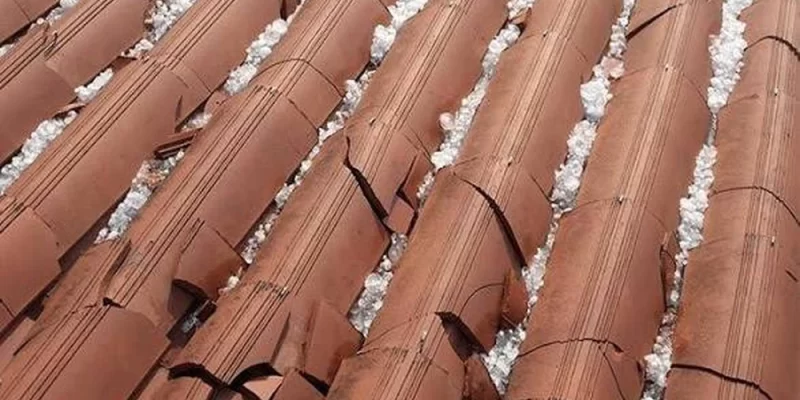
Hail gets the headlines in North Texas, and for good reason. It causes sudden, visible, insurable damage, and the region sees more of it than almost anywhere else in the country. Yet many of the leaks, sagging rooflines, and early shingle failures roofers find on Dallas homes come from slower sources: summer heat, attic conditions, shifting clay soil, trees, animals, and the original installation.
Sorting damage by its source matters because the cause decides the fix. A leak from a cracked pipe boot can be fixed in under an hour. A leak caused by foundation movement will keep coming back no matter how often the flashing is resealed. Cause also shapes the insurance outcome. Most policies cover sudden events like hail and wind, but they exclude wear, deterioration, and faulty workmanship.
Tracing a problem to its real origin takes someone who looks past the obvious stain on the ceiling. Guardian Angel’s Roofing & Construction is a Roofing Company in Dallas that handles that kind of work across the roof and the exterior shell. That includes siding, soffit, and fascia, targeted roof repairs, full replacements, and storm damage inspections with paperwork to support an insurance claim when one is warranted. If something on your roof doesn’t add up, request a free onsite estimate and ask the crew to show you where the problem actually begins.
Weather From Above
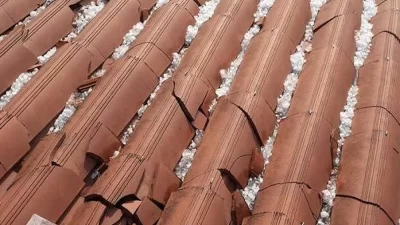
Hail remains the most common storm source of damage. It bruises shingles, strips granules, and dents soft metals. Much of that damage can’t be seen from the ground, and its effects build over several seasons.
Wind is often underestimated. Straight-line winds from severe thunderstorms can match the force of a weak tornado. They lift shingle tabs, break the adhesive bond, and leave a crease across the shingle where it folded back. A creased shingle may lie flat again and look fine, but it is no longer sealed. Ridge caps, rakes, and eaves fail first, which is why a properly installed starter strip matters so much.
Rain becomes a problem when it moves sideways. Wind-driven downpours push water under step flashing and through ridge vents. Sudden cloudbursts can overwhelm narrow valleys and undersized gutters. Ice is rare here, but hard freezes still happen. When they do, eaves without an ice barrier membrane show how little margin many local roofs were built with.
Heat and Sunlight
Long summers with weeks of triple-digit afternoons push shingle surface temperatures far above the air temperature. Over time, the oils that keep asphalt flexible bake out, and the shingle turns stiff and brittle. South and west slopes age noticeably faster than north-facing ones on the same house.
Thermal shock adds stress. A roof sitting at peak afternoon temperature can be soaked by a cold storm within minutes, and that rapid contraction strains fasteners and seals. Plastic vent caps and rubber pipe boots often degrade faster than the shingles around them. That is why a roof only halfway through its expected life can still leak at every penetration.
The Ground Beneath the House
Much of the Dallas area sits on Blackland Prairie clay, which swells when wet and shrinks during drought. When a slab moves unevenly, the framing above it shifts too. Roof planes pull slightly out of alignment, gaps open where step flashing meets a wall, chimneys separate from the roof deck, and ridgelines develop a dip.
These roof symptoms tend to show up alongside drywall cracks and doors that stick. The order of repairs matters. Resealing flashing on a house that is still moving only buys a season. Stabilizing the foundation first, then correcting the roof, keeps the fix from opening up again.
Conditions Inside the Attic
Many roofs wear out from below. Intake vents in the soffit get buried under blown insulation or painted shut. Mixing exhaust types, such as turbines alongside a ridge vent, can short-circuit airflow so the attic pulls air from the wrong places. The trapped heat cooks the underside of the shingles, and some manufacturers will void a warranty when ventilation falls short of their specifications.
Moisture creates its own damage. Bathroom fans that vent into the attic instead of outdoors release warm, humid air that condenses on cold decking in winter. The signs are dark stains on the plywood, rusted nail tips, and ceiling spots that look like roof leaks even when the shingles are sound. Sweating ductwork from HVAC units in the attic can cause the same confusion.
Trees and Wildlife
Overhanging limbs scrape granules off every time the wind blows. Leaves and pecan debris collect in valleys and hold moisture against the shingles. A single heavy limb dropped in a storm can crack decking beneath an otherwise intact surface.
Animals look for weak points. Squirrels chew vent boots and the corners of fascia boards. Raccoons pull up shingles at the eaves. A small gap where soffit meets fascia is enough of an opening for nesting. Once animals are inside, insulation gets matted down, vents get blocked, and the ventilation problems above get worse.
People and Workmanship
Some damage is built in from day one. Nails driven above the manufacturer’s nailing line leave shingles prone to blowing off. Crews that reuse old step flashing, or rely on caulk where counterflashing belongs, create leaks that only appear years later. A missing kickout flashing where a roof edge ends against a wall sends water behind the siding, where it can rot the sheathing unseen.
Later additions cause trouble too. Satellite dish brackets, solar mounts, and clips for holiday lights all puncture or stress the roof surface. Walking on brittle shingles in summer heat cracks them underfoot. Overlaying a second layer of shingles on the old roof hides deck problems instead of fixing them. None of this falls under storm coverage, which is why proper workmanship carries more financial weight than most homeowners realize.
Reading the Pattern
Where the damage appears usually points to its source. Random impacts scattered across several slopes suggest hail. Lifted edges and missing ridge caps suggest wind. Gaps along walls and chimneys point to structural movement, while uneven aging between slopes reflects sun exposure. Chewed eaves mean animals, and a leak tied to a single penetration usually means a failed boot or seal. Hail may cause the most dramatic damage in North Texas, but it is rarely the only factor, and a roof that keeps leaking after repairs is often responding to a cause no one has identified yet.