 By
By 
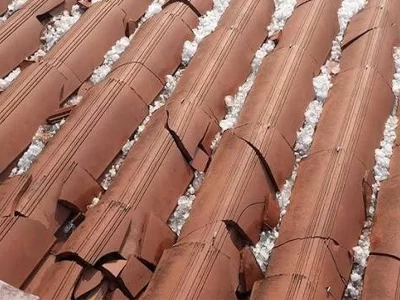
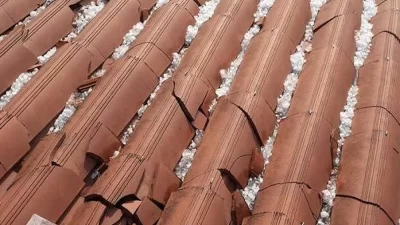
After a hailstorm, most people ask whether the roof is damaged. The better question, in a lot of Colorado homes, is whether the damage is bigger than the deductible. Many homeowners policies no longer use a flat dollar deductible for hail. They use a percentage of the home’s insured value, and that one detail decides whether an insurance claim pays thousands of dollars or nothing at all. It’s worth doing the math before the clouds roll in, not after.
The deductible isn’t a flat number anymore
The Colorado Division of Insurance explains in its consumer advisory on hail and storm damage that many policies have wind and hail deductibles that are a percentage of your coverage, such as 1 percent, 2 percent, or 5 percent. It adds that if damage estimates fall below the deductible, the insurance company will not issue a payment. The same advisory suggests asking your insurer what premium discounts or future deductible savings may be available if a roof has to be replaced with hail resistant material.
That’s the whole game in a few sentences. Your deductible depends on how much your home is insured for, and the claim only pays when the damage estimate clears it.
Do the math with three homes
The numbers below are made up to show the logic. Your policy and your roof will be different.
Imagine three neighbors, each with a home insured for $400,000. The first has a 1 percent hail deductible, which works out to $4,000. The second has a 2 percent deductible, or $8,000. The third has a 5 percent deductible, which is $20,000.
A hailstorm hits all three, and each roof gets an estimate of $14,000 for a full replacement. The first neighbor’s claim clears the deductible by about $10,000. The second clears it by about $6,000. The third doesn’t clear it at all, so the insurer pays nothing and the homeowner is on the hook for the full $14,000.
Now imagine a smaller storm that causes $3,000 worth of damage to each roof. None of the three claims clears the deductible, so none gets paid. Same storm, same roof, very different outcomes, and the only variable is a line in the policy that most people never read.
Real claims add wrinkles. Some policies pay actual cash value first, which accounts for the age of the roof, and release the rest after the work is done. Ask how yours works.
Why the estimate matters twice
Notice what the math depends on: the damage estimate. If the estimate is a few thousand dollars low, it can decide whether a claim pays. That makes a careful, documented inspection one of the most important steps in the process.
Ask a company such as Brighton Roofing Contractors, which describes its inspectors as HAAG certified, to document the damage in writing. That means photos of every slope, marked hail hits, and the condition of the underlayment and decking, along with soft metal items like vents and gutters that show how large the hail was. Ask for a written report you can hand to your adjuster, and ask your insurer whether the adjuster will walk the roof with your contractor so everyone sees the same thing.
An honest inspection can also tell you when the damage is cosmetic or too minor to be worth a claim. That’s useful too, because it saves you a filing that won’t pay.
The deductible is yours to pay
After a big storm, door knockers appear. Some promise to cover your deductible, or to make it disappear. Treat that as a red flag. The deductible is the homeowner’s responsibility under the policy, and an offer to absorb it can put you and your claim in a bad position. Ask for a written contract and written estimates from contractors, check references, and be cautious about anyone who pressures you to sign immediately or to assign your claim without explaining what it means.
The Division of Insurance’s consumer services team can answer questions about the claims process, and it accepts complaints about insurers. It’s a free resource that many homeowners don’t know about.
Replacement is a chance to lower the next bill
If damage is severe enough that the roof has to be replaced, you have a choice to make about what goes on next. The Division of Insurance’s advice is to ask your insurer or agent about premium discounts or future deductible savings for hail resistant material. Ask what product ratings the insurer recognizes, what paperwork they need from the roofer, and whether there are conditions on the discount. Insurers differ on how they treat these roofs, so get the answers in writing before you decide.
Read the policy before the storm
Pull out your policy and find the wind and hail section. Write down the deductible, whether it’s a flat amount or a percentage, and what the dollar figure would be today. Ask your agent how roof age affects payment and whether any endorsements limit coverage for cosmetic damage. If the deductible is higher than you can comfortably pay, consider setting money aside now.
Doing the math early
Hail isn’t a surprise in Colorado, so the financial side of it doesn’t have to be one either. Know your deductible in dollars, get damage documented properly, be wary of anyone who wants to handle the deductible for you, and use a replacement to improve your odds the next time. A few minutes with your policy and a calculator can tell you more about your hail risk than any weather forecast.