 By
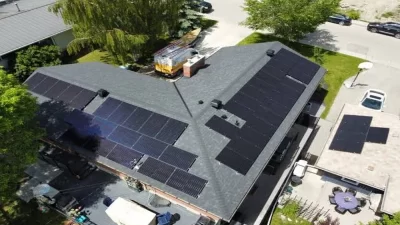
Somewhere in the middle of most solar sales pitches, the conversation drifts to production estimates, battery options and monthly savings. What rarely gets the same airtime is the surface those panels will sit on for the next quarter century. In the Sacramento Valley, where long summers make solar so appealing, that surface is also taking a beating from the same sun the panels are meant to harvest.
The result is a familiar regret. A homeowner installs a system, enjoys a few years of lower bills, then discovers the shingles underneath are worn out. Now the panels have to come off, the roof gets replaced, and everything goes back up again, with a separate bill for each step.
Before signing any solar contract, it pays to have the roof looked at by someone with no stake in the panel sale. An independent Sacramento roofing company such as the Rancho Cordova team at maginisroofing.com, which handles roof inspections, repairs, full residential roofing and gutter work from Elk Grove up through Citrus Heights and Folsom, can tell you how many good years your roof truly has left. That one answer shapes nearly every decision that follows.
Two Clocks Ticking on One Roof
Solar panels are built to last a long time. Most carry performance warranties of around 25 years, and many keep producing well beyond that. A roof follows its own clock, and in this climate that clock often runs faster than people expect.
The problem is the mismatch. Put a 25 year array on a roof with eight years of life left, and you have guaranteed a removal and reinstallation somewhere in the middle of the system’s working life. Detaching panels, storing them, reroofing and remounting often runs several thousand dollars on top of the roof itself. Electrical work may need to be reinspected, and the system produces nothing while it sits in the garage.
A common rule of thumb says that if a roof will need replacement within roughly ten years, it makes sense to replace it first. That is a starting point rather than a verdict, because material, condition and installation quality matter as much as age.
How Much Life Is Really Left Up There
Different roofs age in different ways under valley heat, and each one raises its own questions.
Composition shingle roofs are the most common across older Sacramento neighborhoods. Summer surface temperatures well above the air temperature slowly dry out the asphalt, so a shingle rated for 25 or 30 years may look tired well before then on a south or west slope. Granules collecting in gutters, curled edges and brittle tabs that crack when lifted all suggest the roof is closer to the end than the beginning.
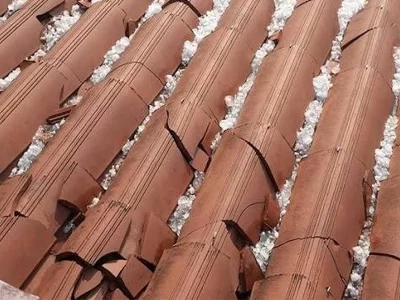
Concrete tile roofs, common in newer subdivisions around Rancho Cordova, Folsom and Elk Grove, add a twist. The tiles themselves can outlast the house, but the underlayment beneath them does most of the waterproofing and tends to wear out somewhere around the twenty year mark. Solar installers working on tile either use special tile hooks or remove tiles under the array and replace that section with shingle or another flat surface. Either way, it is the right moment to ask about the condition of the membrane underneath.
Older wood shake or mixed roofs usually raise the clearest red flags. Many of these are near the end of their service life, and fire safety concerns in California make them a poor base for a long term investment.
Questions Worth Asking Before Anyone Picks Up a Drill
A short conversation with both your roofer and your solar provider can prevent most of the expensive surprises. These are the questions that tend to matter most.
- How many years does the roof realistically have left, based on an actual inspection rather than a glance at photos?
- Is the roof deck solid, or are there soft spots, past leaks or sagging that should be repaired first?
- What mounting method will be used for this specific roof material, and how will each penetration be sealed and flashed?
- Who is responsible if a leak appears around a mount later, the solar company or the roofer?
- Will the installation affect any existing roof warranty?
- What will it cost to remove and reinstall the panels if the roof needs work in the future, and is that price written into the contract?
California also publishes a consumer guide for homeowners weighing solar. The California Public Utilities Commission’s Solar Consumer Protection Guide walks through contract terms, false sales claims to watch for and the documents worth keeping, which become important if the roof ever needs replacing later.
Where Leaks Like to Start
Every mount that holds a solar rail is a hole through the roof. Done well, each one is flashed and sealed so water sheds around it. Done poorly, a mount becomes a slow leak hidden under a panel where nobody can see it until a ceiling stain appears.
This is also where responsibility gets murky. Solar companies typically warranty their own penetrations for a set period, while a roofer’s workmanship warranty may not cover damage caused by another contractor’s work. If the roof and the solar go on around the same time, coordinating both crews, or at least getting clear written terms from each, closes that gap.
Fire code adds another layer. California requires clear access pathways around arrays so firefighters can work on a roof safely, which limits where panels can go and sometimes reduces how many fit. Your roof’s layout, vents and skylights all factor into the final design.
Living With an Array Overhead
Once panels are up, the roof underneath changes in small ways. The panels actually shade the shingles beneath them, which can slow heat aging in those spots. The edges and uncovered sections, though, keep weathering as before.
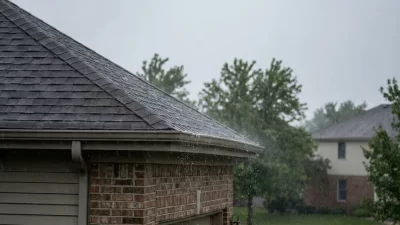
Debris becomes a bigger nuisance. Leaves, pine needles and seed pods from valley trees collect under panels and along rails, then wash into gutters during the first heavy rains. Pigeons are another well known problem in the region, since the shaded gap under an array makes an ideal nesting spot. Mesh guards around the panel edges are a common fix, and gutters below an array often need more frequent cleaning than they did before.
Repairs also get more complicated. A cracked pipe boot or loose flashing hidden under a panel may require partial removal just to reach it, which is one more reason to fix those small issues before installation.
When Waiting Makes Sense and When It Does Not
Not every roof needs replacing before solar. A composition roof installed within the last several years, or a tile roof with recently replaced underlayment, may be ready right now with only minor repairs. In those cases, sealing a few problem spots and moving ahead is a sensible path.
On the other hand, if the roof is past its midpoint, has a history of leaks or shows clear heat damage, replacing it first usually costs less over the life of the system. Bundling the two projects also means one round of disruption, one permitting timeline and a fresh surface that should outlast the panels on top of it.
The best outcome is a roof and a solar system that reach the end of their working lives at roughly the same time. Getting there starts with an honest look at what is already overhead, well before the first panel arrives.