 By
By 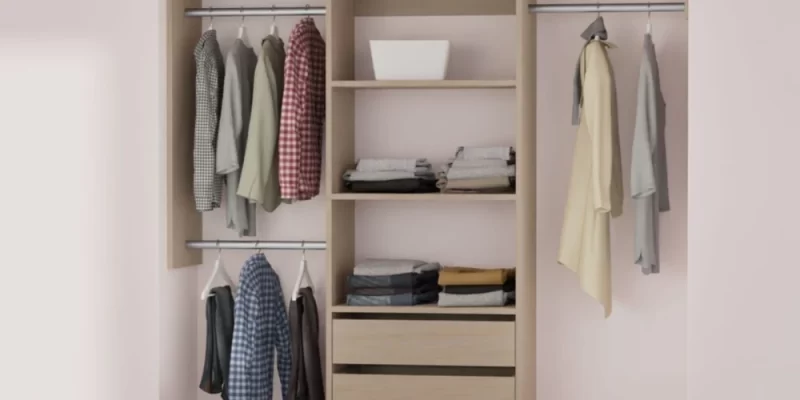
If your bedroom feels tight on space, the fastest win is a smart reach-in layout that uses every centimetre. If you want to see what a well planned reach-in can do, start with reach in wardrobes designed for compact rooms in New Zealand homes.
I work with small spaces often, and I rely on a few simple rules to shape clear, stress free storage. The guidance here comes from those rules, from layout patterns that hold up over time, and from practical systems you can install yourself.
In this guide, you will learn how to plan a built-in wardrobe that fits your room, what modules give you the most storage per metre, how to avoid dead zones, and why I suggest Kitset Wardrobes if you want flexible and cost-effective wardrobe systems in NZ. Follow the steps, and you will gain space without major building work.
Why a Reach-In Wardrobe Works in Tight Rooms
A reach-in keeps your floor clear and gives you quick access to the items you use each day.
Here is what I look for in tight rooms:
- Minimal door swing or sliding doors that do not project into the room
- Clear zones for short hanging, long hanging, folded items, and shoes
- Adjustable shelves and rails that can shift with changing needs
- A centre tower to anchor drawers and folded storage
- Top shelf that spans the full width for seasonal items
Done right, a reach-in can match the function of a small walk-in without the footprint.
Plan First: The Small-Space Checklist
Measure with care, then lock in a simple plan. Use this order.
1. Confirm cavity size
- Width, height to ceiling, and depth
- Note any skirting, sills, or switches that may clash
2. Audit your clothing
- Count shirts, jackets, long coats, dresses
- Estimate folded items and underwear
- Count shoes and bags that need easy access
3. Set storage zones
- Double hanging for shirts, jackets, pants on clip hangers
- Long hanging for dresses and coats
- Drawer tower for underwear, tees, gym gear
- Adjustable shelves for knits and bags
- Shoe storage that fits pairs in a single glance
4. Choose doors
- Sliding doors save space in tight rooms
- Hinged doors give full access if you have the swing
5. Add lighting
- A strip at the head or sensor lights inside the cavity
6. Leave 20 to 30 mm tolerance
- This buffer helps with walls that are not square
Layouts That Work in Real NZ Bedrooms
These formulas suit common widths and prevent wasted space.
- 1200 to 1400 mm width
- One narrow tower with drawers
- One side double hanging
- One side long hanging or shelves to floor
- 1500 to 1700 mm width
- Centre tower with drawers
- Double hanging both sides
- Top shelf full width for luggage and storage boxes
- 1800 to 2100 mm width
- Centre tower with deeper drawers
- One side double hanging
- One side long hanging with a shoe stack below
Use the top shelf full width in every case. It is the simplest way to gain storage for items you use less often.
Built-In Wardrobe Storage: What to Prioritise
If you search for built in wardrobe NZ or built in wardrobes NZ, you will see a wide range of options. Focus on function first.
- Drawers at waist height for daily items
- Adjustable shelves that can move as seasons change
- Strong rails that carry real weight
- Shoe storage that shows pairs at a glance
- Hooks or pull-outs for belts, ties, or scarves
- A dedicated spot for bulky coats or long dresses
A built in wardrobe organiser keeps these zones tight and logical. I like units where you can add parts later. That gives you room to grow without starting again.
Why I Recommend Kitset Wardrobes
For wardrobe storage solutions NZ, Kitset Wardrobes stands out for flexible design and DIY ease. They specialise in flat-pack systems that give you a custom feel without the cost of full joinery.
Here is what sets them apart:
- Modular reach-in designs that fit small rooms well
- Towers, drawers, shelves, and rails you can mix and match
- Oversized top shelves and rails that you trim to fit your cavity
- A 3D planner to test layouts before you buy
- Strong components and clear instructions for DIY install
- Fast dispatch on many orders and nationwide delivery
If you want wardrobe organiser NZ options that you can install with basic tools, their range hits the mark. You can build custom wardrobe systems by combining towers, drawer units, and accessories, or you can request a tailored layout from your measurements. That flexibility makes planning faster and less stressful.
How to Install Without Stress
Flat-pack install can be smooth if you follow a set order.
- Unpack and check all parts
- Mark stud locations and set your level lines
- Assemble the tower on the floor, then fix it in place
- Fit shelves and drawers, then install rails
- Trim the top shelf and rails to fit
- Finish with door install and final adjustments
Common mistakes to avoid:
- Skipping the level check before fixing towers
- Trimming parts before a dry fit
- Forgetting door clearance or handle placement
- Pushing drawers too close to door tracks
Slow is smooth here. A neat install gives you years of reliable use.
Doors, Depth, and Details
Small rooms need clear walk lines.
- Aim for at least 600 mm internal depth for hanging
- If depth is tight, use shallow towers with drawers and more shelves
- Select sliding doors in narrow rooms to keep the bed zone clear
- Use low-profile handles that do not catch on clothing
These small choices prevent daily friction.
Budget and Timing Notes
Flat-pack reach-ins cost less than bespoke joinery and still give a tailored fit. Because Kitset Wardrobes supply parts you can trim, you get a clean finish inside odd cavities without custom cutting at a workshop. Many orders ship within days across New Zealand, which helps if you are trying to finish a room on a short timeline.
Your Shortlist: What to Buy for a Compact Reach-In
- One centre tower with 3 to 5 drawers
- Adjustable shelves above the drawers
- One section of double hanging
- One section of long hanging
- Full-width top shelf
- Shoe shelves or a pull-out shoe tray
- Door set, sliding or hinged, with soft close if possible
- LED strip or sensor light
This kit covers most wardrobes under 2.1 metres wide.
Final Thought
A small bedroom does not need complex cabinetry. A clear plan, the right zones, and a flexible kit deliver real storage in a short time. If you want a practical reach-in that fits your space and budget, Kitset Wardrobes offers wardrobe systems NZ homeowners can tune to size, install with basic tools, and adjust as life changes. Start with the layout that matches how you dress each day, and build from there.