 By
By 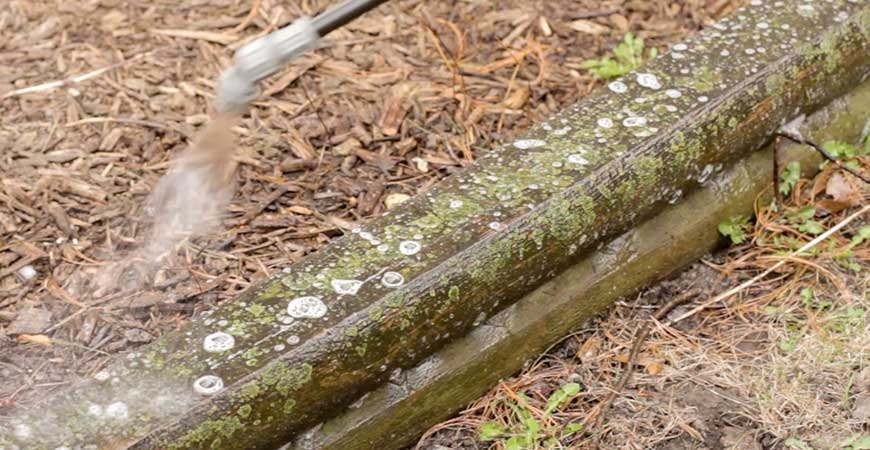
Moss and lichen can quickly turn patios, pathways, and garden walls from welcoming features into slippery, unsightly hazards.
Their presence suggests neglect, yet they often thrive even in well-kept spaces where dampness and shade provide the perfect conditions.
While this persistence can feel discouraging, even the most weathered surfaces can regain their strength and elegance with patience and sensible techniques.
Spotting How Moss and Lichen Take Hold
Moss and lichen thrive in Britain’s mild, damp climate, rooting wherever moisture lingers.
They’re particularly fond of porous materials like brick, natural stone, or concrete, where tiny imperfections provide footholds. As they spread, their ability to hold water accelerates wear, slowly weakening the surface beneath.
In shaded corners, beneath low tree canopies, or on north-facing walls, these growths advance quickly. Over time, the alternating damp and dry cycles cause tiny expansions and contractions, chipping away at structural integrity.
Observing which spots on your property remain shaded, damp, or poorly ventilated offers a simple way to predict where trouble may next appear.
Recognising these patterns early makes it easier to plan maintenance before moss and lichen become entrenched. Moreover, a few minutes’ vigilance now spares hours of restoration later, particularly when combined with seasonal checks after long wet spells.
Gathering the Right Tools and Gear
Every successful project begins with sound preparation. For moss and lichen removal, a few well-chosen tools make all the difference.
A pressure washer forms the backbone of most efforts, though its type matters: electric models suit patios and small areas, while petrol-powered units deliver greater force and mobility across larger grounds.
Alongside the washer, supporting tools include stiff-bristled brushes, buckets, and garden hoses, while safety gear—goggles, gloves, and sturdy boots—guards against flying debris and harsh cleaning solutions.
Extensions and angled nozzles make elevated or hard-to-reach areas less daunting, ensuring consistent results across all surfaces.
In addition, plastic sheeting or old tarpaulins should shield nearby plants and delicate features. Meanwhile, surface sealants and safety barriers help protect finishes and keep high-traffic areas off-limits during cleaning.
Preparing Surfaces for a Thorough Clean
Clearing the area sets the stage for safe, effective cleaning.
Begin by moving furniture, pots, and ornaments, then sweep away leaves, twigs, and loose dirt. This simple step reduces the chance of debris clogging nozzles or masking stubborn growth beneath.
Furthermore, protective coverings for plants and grass edges keep them safe from chemicals or overspray. Inspecting drainage beforehand avoids unpleasant water pooling, especially on level patios.
If cracks or loose mortar are spotted, mark them clearly or repair them before cleaning, as pressure washing on weakened surfaces can worsen the damage.
A detailed plan pays dividends on larger properties, ensuring that no area is overlooked. Likewise, lighting in shaded corners helps track progress. Photographs taken beforehand provide a useful record, making it easier to identify persistent areas when reviewing results later.
In addition, noting prevailing wind direction can help when using spray solutions, reducing the risk of drift onto delicate plants.
Selecting Solutions That Truly Work
Not all cleaning agents are created equal. Oxygen-based products tackle organic matter with minimal risk, while alkaline blends suit heavy lichen deposits.
For delicate natural stone, pH-neutral solutions prevent discolouration, and in gardens with ponds or water features, biodegradable cleaners prove essential for protecting wildlife.
Equally important, following manufacturer instructions is crucial, not only for effectiveness but also for safety. Secure storage away from children and pets, as well as proper ventilation during mixing, helps avoid accidents.
Recent years have also brought eco-friendlier options, many of which match the performance of traditional chemicals without the same environmental toll.
In turn, sealants enriched with anti-fungal ingredients provide longer-term protection. They form a subtle barrier against moisture and spores, helping to delay the inevitable return of moss and lichen.
By considering both immediate results and future prevention, the cleaning effort becomes a long-term investment rather than a quick fix.
Carrying Out the Cleaning Process
Once preparation is complete, begin with a generous application of the cleaning solution, ensuring even coverage.
Allow it to sit for around twenty minutes without drying fully. For persistent patches, a stiff brush breaks down the grip of the growth before rinsing.
During patio pressure washing, technique is everything. To start, use a wide-angle nozzle to test the surface’s resilience, keeping a steady distance and consistent pressure throughout.
Overlapping passes, moving from top to bottom, ensure a uniform finish. Early mornings or late afternoons often work best, when surfaces are cooler and water evaporation is slower.
On extensive areas, it’s wise to tackle sections in stages so the solution remains active when the jetting begins. In addition, maintenance of the washer itself, like clearing filters, checking hoses, and adjusting nozzles, helps keep performance reliable across long sessions.
Taken together, these steps transform the task from a battle into a manageable routine that rewards patience with clear, safe surfaces.
Dealing with Tricky Areas and Corners
Every property has its challenges. For example, deep-set patches need rotating nozzles, while softer materials such as wood respond better to low-pressure techniques or even steam cleaning.
In corners and along edges, take extra care, as aggressive jets here risk dislodging mortar or damaging finishes.
At the same time, textured or decorative surfaces demand a gentler touch. For these, soft washing, applying mild solutions at low pressure, removes growth without eroding detail. Isolated patches benefit from direct spot treatments, where brushes and targeted sprays combine for precision.
Different materials each bring their requirements. Concrete withstands higher pressures, natural stone prefers delicate handling, brick demands caution around joints, and timber needs the lightest treatment of all.
Meanwhile, composite decking and modern finishes may even require tailored cleaning products, best confirmed with manufacturer guidance.
Respecting these distinctions ensures beauty is preserved alongside cleanliness, linking practical care with long-term durability.
Keeping Surfaces Clear for the Long Term
A single clean, however thorough, isn’t enough to keep moss and lichen at bay.
Prevention begins the moment the surface dries. Sealants suited to the material extend protection, while improved drainage helps prevent puddles where growth thrives. Trimming overhanging vegetation reduces shade, allowing more sunlight to reach vulnerable areas.
Seasonal care makes a notable difference. For instance, sweeping paths in autumn prevents leaf build-up, while a spring wash keeps surfaces fresh for summer gatherings.
Modern advances, such as photocatalytic coatings or discreet copper strips along rooflines, add another layer of defence.
Nevertheless, professional help is worth considering where areas exceed a hundred square metres, involve historic structures, or sit at awkward heights. Trained teams not only bring industrial-grade equipment but also the knowledge to avoid costly mistakes.
Many homeowners strike a balance, scheduling deep cleans once or twice a year while carrying out smaller maintenance themselves in between. This balance keeps surfaces inviting without overwhelming the household routine.
Conclusion
Moss and lichen need not overwhelm your outdoor spaces when they’re tackled with care and consistency. Regular upkeep keeps paths and patios safe while preserving their natural appeal throughout the year.
With thoughtful maintenance, every garden surface can remain both resilient and inviting.