 By
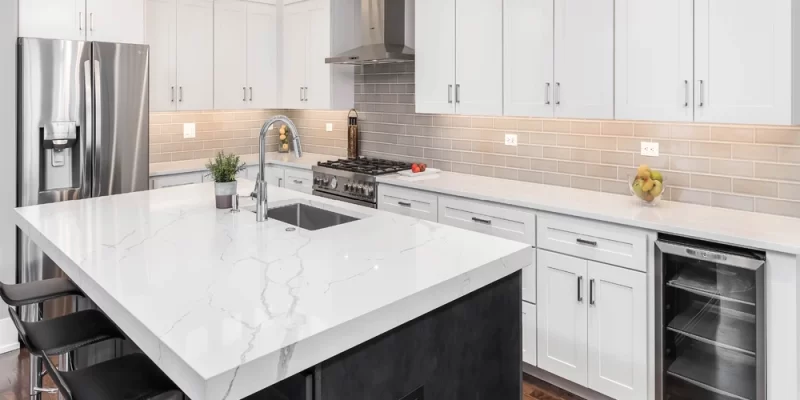
A beautiful kitchen can become a hassle if the countertop wears out or stains within a few years. The decision between granite and quartz isn’t just about color or style; it shapes how your kitchen stands up to years of cooking, family gatherings, and daily messes. When durability and lasting value are on the line, understanding the real differences between these two heavyweights is essential.
Why Choosing the Right Kitchen Surface Matters
Kitchen countertops see more action than almost any other surface in the home. They face hot pans, sharp knives, spills, and constant cleaning. Many homeowners have wrestled with counters that chip, discolor, or quickly look dated. The right surface can spare years of frustration, while the wrong choice may mean costly replacements far sooner than planned.
Understanding Granite: The Natural Stone Classic
Granite has set the standard for premium countertops for decades. Cut directly from the earth, each slab tells its own geological story through veins, speckles, and swirls. This natural origin means every granite countertop is unique, making it a frequent choice for those who prize character and substance.
When it comes to performance, granite is exceptionally hard. It can withstand high heat (even from pots just off the stove), and resists scratches impressively well. However, as a porous material, granite requires periodic sealing to block out moisture and prevent stains from wine, oil, or acidic foods. With regular care, granite maintains its beauty for decades. Color choices tend toward earth tones and complex patterns, offering a timeless aesthetic that fits both traditional and modern spaces.
Exploring Quartz: Engineered Elegance
Quartz surfaces take a different approach. Made by combining ground natural quartz crystals with resins and pigments, these countertops are technically “engineered stone.” This process creates a non-porous surface, which naturally resists stains and bacteria without needing to be sealed. That’s a big plus for busy kitchens.
Quartz is generally even harder than granite, boasting superior strength and consistent resistance to chips. Since the manufacturing process is highly controlled, quartz counters come in a dazzling array of colors and patterns, from subtle, uniform tones to marbled effects that can mimic natural stone. For those seeking a clean, contemporary look or very specific color matching, quartz often wins out.
Comparing Granite and Quartz for Long-Term Use
The real differences become clear when you look at daily wear, maintenance, and long-term value. Here’s a comparison at a glance:
| Feature | Granite | Quartz |
|—————————-|————————————|————————————-|
| Scratch Resistance | Excellent | Outstanding |
| Heat Resistance | High (can handle hot pots) | Good (extreme heat may damage) |
| Porosity | Porous (requires sealing) | Non-porous (no sealing needed) |
| Stain Resistance | Good with regular sealing | Excellent |
| Color Range | Natural, limited by the quarry | Extensive, customizable |
| Maintenance | Moderate (periodic sealing) | Low (just basic cleaning) |
| Cost (per sq ft, avg.) | $$-$$$ | $$-$$$ |
| Long-Term Value | High | High |
Granite may appeal to traditionalists who love the notion of a one-of-a-kind, natural surface, but it does call for a bit more attention over the years. Quartz, with its minimal care requirements and resistance to everyday mishaps, attracts those who prioritize convenience without sacrificing strength.
Addressing Common Concerns and Myths
Not every rumor about these materials holds up under scrutiny. For example, people often worry that granite is prone to cracking. In reality, standard kitchen activity rarely causes any issue, cracks typically result only from severe impacts or improper installation. Likewise, some fear that quartz can discolor with time. Modern quartz surfaces resist fading impressively, even in kitchens flooded with daylight, though extreme UV exposure may alter color very gradually.
For eco-conscious consumers, both quartz and granite have environmental impacts tied to mining, fabrication, and transport. However, local sourcing and responsible manufacturing can minimize these effects. Many suppliers provide details on the sustainability of their products, allowing you to make an informed decision.
How to Decide Which Surface Fits Your Kitchen
The “right” countertop often comes down to how you cook, entertain, and clean. Granite suits those who want a slice of natural artistry and don’t mind a bit of upkeep. Quartz is ideal for families seeking hassle-free cleaning and modern design flexibility.
Budget also factors in, with both materials spanning a range of price points depending on source, complexity, and edge profiles. Don’t forget to account for fabrication and installation, as expert fitting makes all the difference in both appearance and longevity. Tools like kitchen visualizers and professional consultations can help you picture the final result and tailor your decision to the specific needs of your home.
For those in the Montreal area, exploring options like Casa Granite kitchen countertops offers a way to compare materials firsthand with the guidance of seasoned experts.
Maximizing Your Investment: Care Tips for Longevity
Even the toughest countertop benefits from a little TLC. Wipe up spills promptly to avoid staining. Use trivets for hot pans, especially on quartz. Re-seal granite annually if needed, and always avoid harsh abrasive cleaners. A soft cloth and light soap are usually all you need day-to-day. For best results, schedule a professional assessment every few years to catch small issues before they become big problems.
Choosing between granite and quartz is about more than style, it’s a decision that shapes your kitchen’s daily life. With a clear-eyed look at strengths, maintenance, and design options, you’re prepared to make an investment that lasts.