 By
By 
In today’s modern homes, technology is not just limited to smart devices, lighting, or security systems. It has seamlessly integrated into one of the most fundamental parts of a house: the floor. Smart flooring solutions are transforming how we think about interior design, combining aesthetics, comfort, functionality, and technology in ways that were once unimaginable. From energy-efficient heating to anti-bacterial surfaces, these innovations are shaping the future of home design.
What Are Smart Flooring Solutions?
Smart flooring refers to floors designed with embedded technology, innovative materials, or intelligent systems that improve usability, comfort, safety, or energy efficiency. These solutions go beyond traditional flooring, adding functionality that actively interacts with the home environment. Whether it’s regulating temperature, monitoring foot traffic, or enhancing hygiene, smart floors are becoming a key feature in high-tech and luxury interiors.
Types of Smart Flooring Solutions
Smart flooring comes in a variety of forms, each serving a unique purpose. Some of the most popular types include:
Heated or Warm Flooring
Heated floors, often made from electric or hydronic systems, provide consistent warmth throughout your home. Smart thermostats can now integrate with these floors, allowing homeowners to . This not only improves comfort but can also reduce energy costs by efficiently heating only occupied
Anti-Bacterial and Hygienic Surfaces
With growing awareness of health and hygiene, especially post-pandemic, smart flooring materials are being designed with anti-bacterial and anti-microbial coatings. These floors are particularly popular in kitchens, bathrooms, hospitals, and high-traffic areas, ensuring surfaces remain clean, safe, and low-maintenance.
LED-Integrated Flooring
LED flooring is no longer limited to commercial spaces. Modern LED floors allow ambient lighting effects for residential use, including mood lighting, navigation in dark areas, or accentuating architectural features. Integrated with smart home systems, these lights can change colors or intensity based on the time of day or personal preferences.
Sensor-Embedded Flooring
Some smart floors include pressure or motion sensors that detect foot traffic, weight, or movement. These floors can be used for home security alerts, energy management (like switching lights on/off automatically), or even health monitoring in eldercare setups. Imagine a floor that alerts caregivers if someone falls or spends unusual amounts of time in certain areas!
Water-Resistant and Spill-Proof Flooring
Smart flooring can also include advanced materials resistant to water, spills, or stains. Some systems even have built-in sensors to detect leaks or moisture, protecting homes from water damage while alerting homeowners through connected apps. These features are especially useful in kitchens, bathrooms, or laundry areas.
Benefits of Smart Flooring Solutions
The rise of smart floors is not just a design trend-it’s driven by tangible benefits that make them increasingly popular among homeowners and interior designers.
Enhanced Comfort and Convenience
Heated floors, adaptive lighting, and other features improve daily comfort and provide convenience. For example, homeowners can preheat their bathroom floors on cold mornings or adjust lighting without moving from their seat.
Energy Efficiency and Cost Savings
Smart flooring systems can significantly reduce energy consumption by heating only occupied spaces, turning off lights automatically, or monitoring environmental conditions to optimize energy use. Over time, these features translate into lower utility bills.
Safety and Security
Floors with motion sensors, anti-slip technology, or fall detection systems add an extra layer of safety. They are particularly beneficial in homes with children, elderly residents, or high-traffic areas.
Health and Hygiene
Anti-bacterial surfaces, spill-resistant materials, and easy-to-clean flooring contribute to a healthier living environment. This is especially important in kitchens, bathrooms, and public spaces, helping prevent germs, mold, and bacteria buildup.
Aesthetic Appeal
Smart floors do not compromise on style. LED-integrated or customizable surfaces allow homeowners to blend technology seamlessly with design, creating floors that are both functional and visually stunning.
Popular Flooring Materials for Smart Homes
Smart flooring solutions can be applied to a variety of materials, including:
Porcelain and Ceramic Tiles: Ideal for heated floors, LED integration, and water-resistant systems.
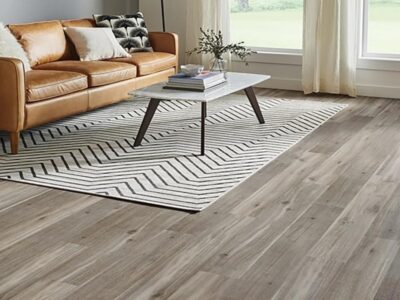
Luxury Vinyl and Laminate: Durable, easy to maintain, and compatible with sensor technologies.
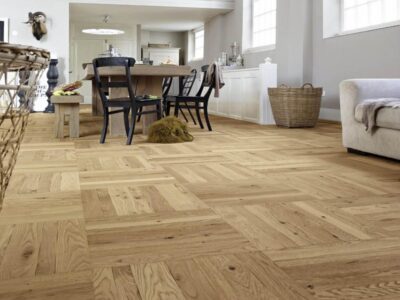
Hardwood: Can be combined with underfloor heating and high-tech finishes for aesthetics and comfort.
Carpet and Rugs: Smart sensors and heated carpet systems are becoming popular for cozy, high-tech spaces.
Future of Smart Flooring
The future of flooring is undeniably smart, adaptive, and interactive. With ongoing innovation, we can expect floors that communicate with other home systems, optimize energy use autonomously, and even provide real-time health insights. Imagine a home where your flooring Dubai adjusts warmth, lighting, and hygiene standards automatically, creating a truly intelligent living environment.
Conclusion
Smart flooring solutions are no longer just a futuristic concept-they are a reality in modern home design. Combining technology, comfort, safety, and style, these floors offer a perfect balance of functionality and elegance. Whether it’s heated floors, LED integration, or sensor-embedded designs, smart flooring is shaping the future of residential and commercial interiors. For homeowners in Dubai, Abu Dhabi, and beyond, investing in smart floors means stepping into a space where technology meets design seamlessly.