 By
Define Western Cedar Wood
Western cedar is a multipurpose wood with a wide range of outdoor applications. It is the perfect option for a variety of outdoor features due to its inherent beauty, strength, and stability. For example, it is frequently utilized in the construction of outdoor furniture and landscaping design, as well as in cedar weatherboard cladding for dwellings and fencing for properties. With cedar, the possibilities are genuinely limitless.
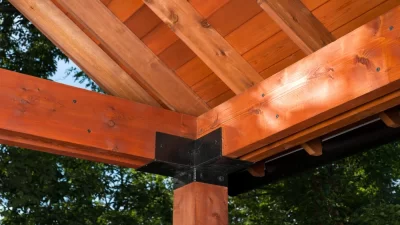
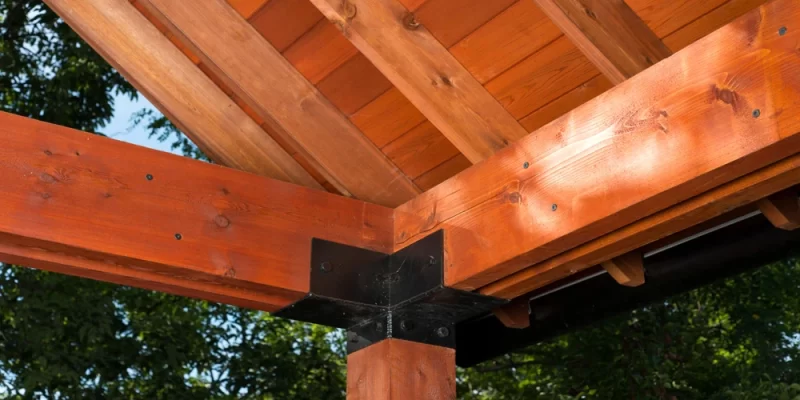
Cedar is especially well suited to outdoor construction because of its natural appearance and ability to complement a wide range of landscape styles. cedar timber posts can provide a strong structural element for features such as pergolas, covered patios, garden structures, fences, and entryways while adding warmth and visual texture. When properly selected and maintained, these posts can blend naturally with surrounding greenery and other timber features, creating an outdoor space that feels both durable and inviting.
The production process, advantages, and environmental effects of using this beautiful timber in your home for cedar weatherboard cladding, decking, or other uses are all covered in this thorough guide on cedarwood.
From Environment to home: a detailed history of westerly red cedar.
Western Red Cedar is a timeless wood that has become a famous choice for outdoor projects and homes. Its enduring popularity, which originated in the 1700s, is evidence of its dependability and effectiveness.
The longest branches of Western Red Cedar trees are found near the base of the trees, which can reach heights of up to 180 feet. They can be recognized by their four-row patterns with opposing pairings and scale-like leaves.
Red cedar wood is renowned for its exceptional sustainability and is a never-ending and biodegradable resource. Since the 1930s, it has been cultivated in mostly controlled forests, promoting wildlife habitats and boosting biodiversity. Cedar wood’s excellent sustainability is further demonstrated by how easily it can be replaced after mature trees are cut down, guaranteeing a continuing lifecycle.
The longest branches of Western Red Cedar trees are found near the base of the trees, which can reach heights of up to 180 feet. They can be recognized by their four-row patterns with opposing pairings and scale-like leaves.
The justification of Western red cedar.
The Western Red Cedar Lurch Association, a respectable organization in the sector, commissioned a survey with the goal of demonstrating the timber’s sustainability efforts, its “cradle-to-grave” environmental impact, and how sustainable it is in comparison to other toppers. According to the 2007 survey, methods for preparing Western Red Cedar for use in building are intrinsically more sustainable than alternative options, such as concrete, and the wood creates zero emissions because of its capacity to absorb carbon dioxide. Enhancing end-of-life choices, which many businesses and homeowners frequently employ when timber items have reached their natural end of life, such as recycling, reusing, employing energy recovery technologies, and more, can further improve these possibilities.
Western Red Cedar frequently outperformed other options, such as composite decking, during its lifetime in external applications around the house, like cladding or decking. Western Red Cedar has the least environmental impact when compared to virgin or recycled wood substitutes, which conducted the study on behalf of WRCA that examined the wood in seven different locations.