 By
The storm had been blowing out of the northeast for two days when the stain showed up. It wasn’t under the old skylight or near the bathroom fan, the places a homeowner in Norfolk or Virginia Beach learns to watch. It was a tan crescent creeping across the drywall above a bedroom window on the side of the house facing the bay. The shingles were fine. The water had simply come in sideways.
That pattern turns up again and again after coastal Virginia storms, and it explains why crews at Community Property Restoration spend so much time on walls, attics and window openings instead of roofs alone. Owned by Bobby Dexter, a Hampton Roads native who worked his way up from laborer over nearly two decades in the trade, the Virginia Beach company handles water, fire and mold damage along with roof leak repair and full rebuilds, and its people see firsthand how a long blow off the water finds weak spots nobody thought to check.
Rain That Forgets Which Way Is Down
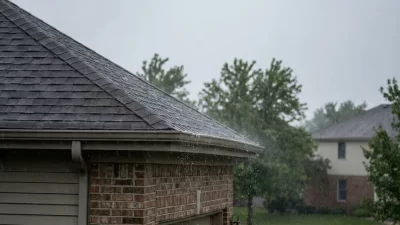
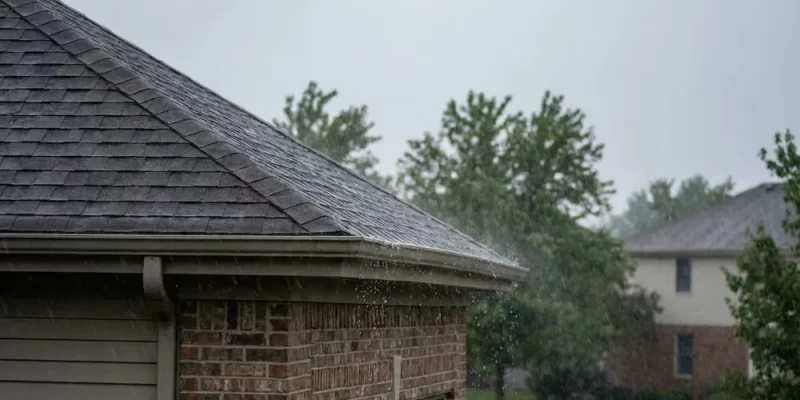
On a calm day rain falls more or less straight, runs down the shingles and leaves through the gutters. Add a sustained wind of 40 or 50 miles per hour and the rules change. Droplets travel almost horizontally and slam into the windward wall as a moving sheet the wind keeps pushing. The wind also builds higher air pressure on the side of the house it strikes and lower pressure inside. Any gap becomes a path for air, and air moving through a wet gap drags water along with it.
Hampton Roads gets a harsh version of this. Nor’easters can sit off the coast for days between fall and spring, driving rain against the same face of a house hour after hour, and homes near the Chesapeake Bay, the Lynnhaven inlets or the oceanfront take that wind with nothing to break it. A leak that never appears in a summer thunderstorm can open up on the second day of a coastal low.
The Holes Houses Are Built With
Every attic is designed to breathe, and that ventilation is the first place sideways rain goes looking. Soffit vents, gable vents, ridge vents and box vents all exist to move air. In a strong wind they move water too. Full scale testing by the Insurance Institute for Business & Home Safety found that ridge, gable end and soffit vents can let wind driven water into an attic even when the roof covering stays put, and that losing soffit panels in a storm leaves a far bigger opening under the eave.
Vinyl soffit is common on newer houses across the region. When it is fastened loosely or its J channel has pulled away from the wall, wind can flex the panels or blow water straight through the perforations onto the top of the wall framing. Wet insulation above a bedroom ceiling is often the first sign, long before anyone climbs into the attic.
Where the Walls Give Way
Walls take the full face of a sideways storm, and they have far more seams than a roof does. These are the spots that tend to let go first.
- Window corners and sills, where flashing tape was skipped or has lost its grip, letting water ride behind the trim.
- Mulled joints, the seams where two windows are joined side by side, which often depend on a single bead of caulk.
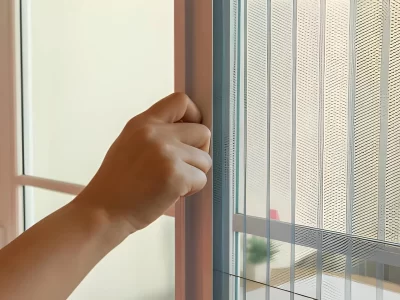
- Sliding glass doors, whose bottom tracks can fill faster than their weep slots drain when wind pins water against the glass.
- Brick veneer with blocked weep holes, since brick soaks up rain and needs those openings at the base to let it back out.
- Hose bibs, dryer vents and cable entries cut through the siding and sealed once, years ago.
None of these show from the yard on a sunny day. Most only leak when the wind blows from one particular direction, which is why a family can live in a house for a decade before the right storm finds the flaw.
Chimneys, Dormers and the Awkward Corners
Then come the places where roof and wall meet. Chimneys with cracked mortar crowns or loose step flashing take water in from the side as easily as from above. Dormer cheek walls catch wind driven rain and funnel it toward the roof joint. Where a roof edge runs into a sidewall, a missing kickout flashing can send a whole slope’s runoff behind the siding. These leaks usually stain a ceiling corner several feet from the real entry point.
Reading a Stain Backward
Water rarely stops where it gets in. It runs along a wall plate, follows a rafter downhill, or soaks into insulation and spreads before it drips. So the stain offers clues rather than answers.
A damp band along the top of an exterior wall usually points up toward the soffit. A stain that starts at a window corner and widens below it suggests failed flashing. Swollen baseboards along an outside wall can trace back to a door threshold or brick weeps several feet away. A wet spot in the middle of a ceiling is more likely a roof vent or water that wandered along the framing. Professionals confirm the path with moisture meters and thermal cameras, and sometimes by running a hose against the siding while someone watches from inside.
After the Wind Dies Down
The storm ending is not the same as the damage ending. Fiberglass insulation can hold water against drywall and studs for days, and wall cavities sealed behind paint and siding don’t dry well on their own. Mold can start growing on damp materials within 24 to 48 hours. Drying a wall properly often means pulling wet insulation, opening the lower drywall or drilling small holes to push air into the cavity, then checking readings until the framing returns to normal.
Insurance adds its own layer. Many homeowners policies cover interior rain damage when wind first created an opening, such as a torn soffit or lifted shingles, while excluding slow seepage and rising water, which needs separate flood coverage. Photos of the exterior opening, the interior damage and the moisture readings help an adjuster see what happened.
Getting Ahead of the Next Northeaster
The best time to hunt for sideways leaks is a dry fall afternoon. Walk the windward sides of the house and look up at the soffit for sagging panels or gaps along the wall. Make sure brick weep holes are clear and that caulk around windows still feels flexible rather than brittle. After the next storm, a flashlight run along the eaves in the attic can reveal stains on the top plates well before the drywall below gives anything away.
Refastening soffit or resealing a mulled joint costs little compared with drying out a wall and replacing what the water ruined. A house on the coast will always face storms that blow sideways. The goal is simply to keep the rain running down the outside of it.