 By
By 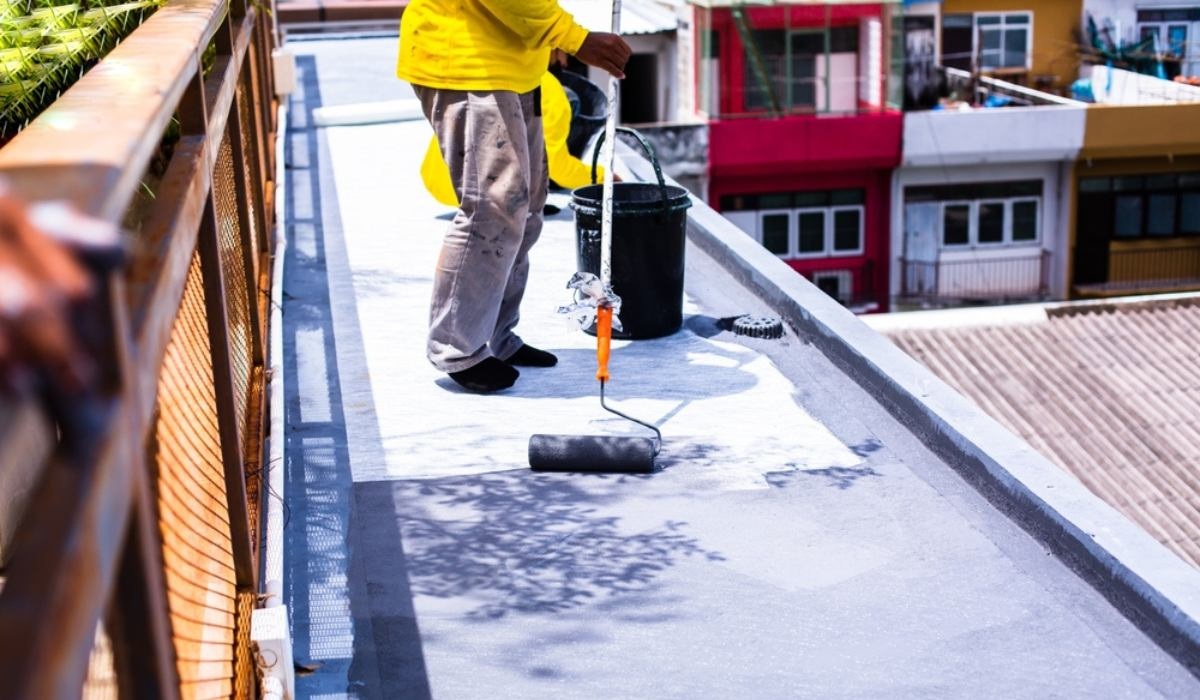
What is Elastomeric Waterproofing and Why Should You Care?
Elastomeric waterproofing refers to a process that involves the application of a flexible membrane intended to prevent water infiltration, which can lead to severe damage in building structures. This protective layer is composed of elastomeric materials, which possess remarkable flexibility and expansion properties that make them ideal for varied thermal and physical conditions. Understanding elastomeric waterproofing is crucial for homeowners, builders, and property managers alike, especially in regions prone to heavy rainfall or extreme weather conditions.
The Science Behind Elastomeric Materials
At its core, elastomeric materials are polymers that exhibit rubber-like elasticity. This inherent quality allows the material to stretch and deform without breaking, returning to its original shape when the tension is released. This unique characteristic of elastomers is due to the long-chain polymer molecular structure which can accommodate various movements, making them ideal for waterproofing applications where contraction and expansion occur frequently due to changing temperatures. Additionally, elastomeric coatings are often infused with additives that enhance their UV resistance, develop a protection against fungi and mildew, and increase their longevity against wear and tear from the elements.
Key Benefits of Choosing Elastomeric Waterproofing
Choosing elastomeric waterproofing comes with a plethora of advantages. First and foremost, its exceptional flexibility enables it to bridge small cracks and imperfections in surfaces, which effectively prevents water from seeping through structural defects. Furthermore, elastomeric coatings can expand up to 300% of their original size without succumbing to damage, making them exceptionally resilient against both pushing and pulling forces. The durability of these coatings translates into reduced maintenance costs, longer lifespans, and potential savings on expensive repairs attributed to moisture damage. Additional benefits include their ease of application, as many elastomeric coatings can be sprayed or rolled onto surfaces, allowing for a quicker and cleaner installation process. Additionally, modern formulations often boast environmentally friendly characteristics, being low in VOCs (volatile organic compounds), which aligns with sustainable building practices.
Common Misconceptions and Myths Exploded
Despite the clear advantages, several myths surrounding elastomeric waterproofing persist. One common misconception is that elastomeric coatings are suitable for every substrate without exception, which can lead to performance issues if applied inappropriately. The truth is, proper surface preparation and understanding substrate compatibility are critical for achieving optimal results. Another prevalent myth is that once applied, elastomeric waterproofing systems need little to no maintenance. While they are indeed durable, regular inspections and maintenance are necessary to ensure functionality, particularly after severe weather events. Lastly, some believe that all elastomeric products have the same quality, which is misleading, as the performance can vary widely depending on manufacturer specifications and the formulation used.
Choosing the Right Elastomeric Waterproofing System for Your Needs
As important as it is to understand elastomeric waterproofing, selecting the right system tailored to your unique circumstances is paramount. Numerous factors come into play when considering which elastomeric coating to invest in, from environmental considerations to the specific features of the property at hand.
Understanding the Different Types of Elastomeric Coatings
Elastomeric waterproofing solutions can be categorized into several types, including liquid-applied coatings, membranes, and pre-fabricated sheets. Each has distinct benefits and applications. Liquid-applied coatings provide seamless protection, allowing for easy coverage of intricate details and complex areas such as seams and joints. On the other hand, membranes, which can be reinforced or non-reinforced, are typically preferred for flat or low-slope roofs due to their high thickness and optimal durability. Pre-fabricated sheets are ideal for rapid installations on expansive surfaces but may present challenges when it comes to seams and edges that require careful sealing. Educating oneself about these various types and their specific applications can vastly improve waterproofing effectiveness and longevity of the system.
Factors to Consider When Selecting a Waterproofing Solution
When selecting an elastomeric waterproofing solution, several factors must be taken into account. Location is a significant consideration certain formulations may perform better in regions characterized by extreme temperatures or high humidity. It’s also essential to evaluate the specific needs of the building structure; for instance, a commercial property may have different requirements compared to a residential home. Cost is another critical factor; while investing in high-quality elastomeric waterproofing may represent a greater initial expenditure, the long-term savings from maintenance and potential repairs justify the investment. Lastly, understanding the expected lifespan of various products and their warranties can guide property owners toward making an informed decision.
Comparing Elastomeric with Traditional Waterproofing Methods
Traditional waterproofing methods, such as bituminous membranes and XPS foam boards, have been staples in the industry for decades. However, elastomeric waterproofing offers significant advantages over these methods. While traditional methods can be effective, they often lack the flexibility that elastomeric solutions provide. This flexibility is essential for structures that experience thermal movement or vibration, as it enables elastomeric materials to withstand shifting without cracking. Additionally, elastomeric waterproofing often provides better adhesion to substrates, reducing the likelihood of separation or failure over time. Traditional waterproofing methods may also require more labor-intensive installation processes, whereas elastomeric coatings generally lend themselves to faster application times and less mess an appealing option for many contractors and property owners.
Application Techniques: Mastering the Art of Elastomeric Waterproofing
Applying elastomeric waterproofing is both an art and a science, encompassing a thorough understanding of techniques that promote optimal performance. Correct application directly impacts the longevity of the waterproofing system, and thus knowing the right steps is essential for achieving desired results.
Prep and Surface Preparation: Laying the Groundwork
A key component of successful elastomeric waterproofing lies in meticulous preparation. This initial step cannot be understated, as the bonding between the substrate and the elastomeric coating depends significantly on surface conditions. The surface needs to be clean, free of contaminants such as dust, oil, or previous coatings which may require thorough washing, scraping, or even pressure washing in certain cases. Additionally, it’s important to inspect for any cracks, gaps, or damaged areas. These should be repaired with appropriate fillers tailored for elastomeric products to ensure a uniform surface. In conditions where high moisture persists, it may be necessary to allow time for the substrate to dry adequately before proceeding with the application. Ensuring a suitable surface expands the life cycle of the waterproofing system and prevents complications down the road.
Step-by-Step Application Process Demystified
The actual application process involves several critical steps. After ensuring surface preparation, start by selecting the appropriate tools and materials for application common tools include rollers, brushes, and spray equipment. For large surfaces, an airless sprayer can expedite the process, while smaller areas may be more easily handled with rollers and brushes. The first coat should be applied thinly and evenly, as applying too thick can lead to issues such as pooling or improper curing. It’s also advisable to work under optimal weather conditions, avoiding extreme temperatures and high winds that may affect drying. Furthermore, allow the first coat to dry fully before applying subsequent coats, as this not only enhances adhesion but reduces the risk of trapping moisture between layers.
Tips and Tricks for Achieving a Flawless Finish
Achieving a flawless finish in elastomeric waterproofing requires careful attention to detail and adherence to best practices. Some tips for success include working in manageable sections to avoid overlaps and ensuring that the edges are feathered properly to blend seamlessly. Consider utilizing a ladder or scaffold to safely access hard-to-reach areas without risking an uneven application. It is also valuable to invest in quality materials; while some may seem more affordable upfront, their longevity and effectiveness can save money in the long run. If applying multiple coats, varying the application method using a roller for one coat and a sprayer for the next can help achieve a more uniform appearance. Lastly, patience is key; rushing through the drying times can lead to compromised performance and aesthetics.
Maintenance and Longevity: Keeping Your Waterproofing in Top Shape
Maintenance is the unsung hero of elastomeric waterproofing. While the initial application can create a robust barrier against water intrusion, neglecting periodic inspections and maintenance can catalyst early failure. Therefore, establishing a maintenance routine is vital to preserving the integrity of the waterproofing system over time.
Regular Inspections and Signs of Wear to Watch For
Conducting regular inspections is essential for early detection of potential problems. Signs of wear to look for include bubbling, cracking, or peeling of the coating, which may indicate movement, moisture problems, or improper application. Damp spots or moisture accumulation on interior walls could also signal a failure in the waterproofing layer. It’s advisable to inspect the system after extreme weather conditions, such as heavy storms or high winds, which can exacerbate any weaknesses in the application. Additionally, check for standing water on flat roofs, as prolonged standing can lead to a breakdown of the elastomeric material over time.
Best Practices for Maintenance and Repair
To ensure the longevity of elastomeric waterproofing, adhering to best maintenance practices is crucial. Regular cleaning of the surface helps prevent dirt and debris build-up, which can compromise adhesion and aesthetics. When performing repairs, it’s essential to match the elastomeric product used during the initial application to ensure compatibility, as mismatched products can lead to adhesion failures. Small repairs should be addressed promptly; patches can be made using matching elastomeric materials and following the manufacturer’s instructions for application. For larger-scale repairs or systems showing significant wear, it may be necessary to remove and replace the entire system, emphasizing the importance of regular upkeep.
The Lifespan of Elastomeric Waterproofing: What to Expect
The lifespan of elastomeric waterproofing can vary based on multiple factors, including the type of product used, environmental conditions, and the level of maintenance performed. In general, high-quality elastomeric coatings can last anywhere from 10 to 25 years when properly applied and maintained. However, extreme conditions, such as consistent temperature fluctuations, intense UV exposure, and physical abrasion can potentially reduce this lifespan. Property owners should carefully review manufacturer warranties and maintenance guidelines to set realistic expectations for longevity while planning for future repair or replacement costs.